Mold Remediation in Raleigh & The Triangle
Mold remediation is the process of containing mold, removing the materials it has damaged, cleaning the area and fixing the moisture that let it grow. Mold removal is the part most people picture, but removal alone rarely solves the problem. If the leak, humidity or water damage behind it isn’t fixed, mold comes back.
Raleigh’s humid summers make mold a common problem in basements, crawl spaces, attics and bathrooms. It often starts after a leak or water damage that was never fully dried, and it can grow behind drywall or under flooring where you can’t see it.
Signs You May Have a Mold Problem
- a musty, earthy smell that is stronger in one room, closet or the crawl space
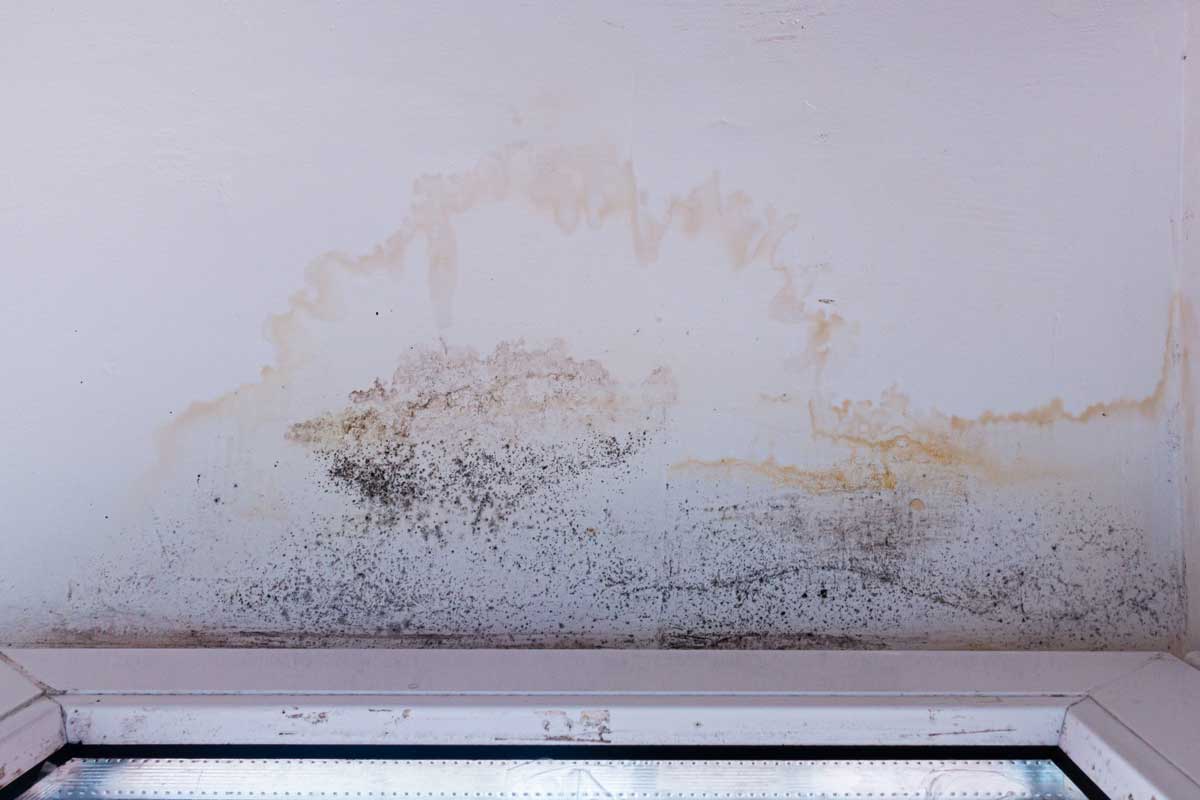
- black, green or white spots on walls, ceilings, wood or insulation
- stains or peeling paint where there was a past leak
- condensation on windows and pipes or high indoor humidity
- allergy-like symptoms that improve when you leave the house
Do You Test for Mold?
No, and that is on purpose. Testing and remediating by the same company is a conflict of interest. We recommend testing by an independent, licensed indoor environmental professional before the work starts. They write a remediation protocol that tells us what needs to be done, and they can test again afterward to confirm the job was done right.
Our Mold Remediation Process
1. Review the Protocol and Plan the Work
We review the independent assessment and protocol, walk the affected areas and plan containment, equipment and the order of work.
2. Containment
We seal off the work area with plastic sheeting and zipper doors and put it under negative air pressure. Containment keeps spores from spreading to clean parts of the house while materials are disturbed.
3. Air Filtration
HEPA air scrubbers run throughout the job to capture spores and dust in the air.
4. Removing Mold-Damaged Materials
Porous materials with mold growth, such as drywall, insulation, carpet and ceiling tiles, can’t be reliably cleaned and are removed and bagged. Following the IICRC S520 standard, we then clean the framing and other surfaces behind them with HEPA vacuuming, damp wiping and additional cleaning products. Some contents can be cleaned by a professional contents cleaning company.
5. Drying and Moisture Correction
We dry the structure and help correct the moisture source, whether that means a plumbing repair, crawl space moisture control, better attic ventilation or drying after an old leak. This is the step that keeps mold from coming back.
6. Verification and Rebuild
After the independent professional confirms the area passed, we can handle the reconstruction: new insulation, drywall, paint and flooring.
Black Mold Removal
“Black mold” usually refers to Stachybotrys chartarum, a dark mold that grows on materials that stayed wet for a long time, like drywall paper after a slow leak. Many molds are dark in color, and color alone doesn’t tell you the type. Treat any large area of dark mold seriously, keep people out of the room and don’t try to scrub it or dry-sand it yourself. The removal process is the same: containment, HEPA filtration and removal of the affected materials.
Crawl Space Mold Remediation
Crawl spaces in the Raleigh area hold a lot of moisture in summer. Wet soil, poor ventilation, plumbing leaks and standing water after storms lead to mold on floor joists, subfloor and insulation. We remove damaged insulation, clean and treat the wood, dry the space and recommend moisture control steps so the problem doesn’t return.
Attic Mold Removal
Attic mold usually comes from a roof leak, bathroom fans that vent into the attic, or poor ventilation that traps warm, moist air. We clean the roof decking and framing, replace wet insulation and point out the ventilation or venting problem that needs to be fixed.
Bathroom and Basement Mold
Bathrooms grow mold when steam has nowhere to go. A fan that doesn’t vent outside, a leaking shower pan or a slow drip behind the toilet can keep drywall damp for months. Basements stay cool and humid, and moisture can come through the foundation after heavy rain. In both cases we remove the damaged materials and point out the ventilation or leak that needs attention.
Mold Abatement, Remediation and Removal: Same Job?
People use these terms in different ways. “Mold abatement” and “mold remediation” usually mean the same complete process. “Mold cleanup” or “mold removal” sometimes means only cleaning visible mold. When you compare quotes, ask whether the price includes containment, HEPA filtration, removal of damaged materials and correction of the moisture problem.
What to Do Until We Arrive
- keep doors to the affected room closed
- turn off fans and HVAC that blow air through the moldy area if you can
- don’t scrub, sand or spray large areas of mold
- fix or stop any active leak if it is safe to do so
- move people with allergies or asthma away from the area
Mold Services We Offer
- mold remediation and mold removal
- mold containment and HEPA air filtration
- black mold removal
- crawl space mold removal
- attic mold removal
- bathroom and basement mold cleanup
- removal of mold-damaged drywall, insulation and flooring
- moisture repairs and drying
- post-remediation reconstruction
Mold Removal in Raleigh: Costs, Insurance and FAQs
Call 24/7
(984) 205-1439
What Affects the Cost of Mold Remediation?
- the size of the affected area and how many rooms or levels are involved
- where the mold is: open walls are simpler than crawl spaces, attics or HVAC areas
- how much drywall, insulation or flooring has to be removed
- whether the moisture problem needs repairs
- how much rebuilding is needed afterward
We give free estimates after reviewing the area and the protocol.
Does Insurance Cover Mold Removal?
It depends on your policy and the cause. Mold that results from a sudden, covered water loss, like a burst pipe, is more likely to be covered than mold from long-term humidity or a slow leak. We work with all insurance companies and can help you document and file your claim.
Is Mold Dangerous?
Mold can trigger allergies, asthma and other breathing problems, especially in children, older adults and people with weakened immune systems. If you have health concerns, talk to your doctor. From a building standpoint, any mold larger than a small patch should be handled with proper containment so it isn’t spread through the house.
Why Store-Bought Mold Products Don’t Last
Bleach and sprays only treat the surface. Mold roots into porous materials like drywall and wood, and the moisture source is still there, so it grows back. Lasting removal means taking out damaged porous materials, cleaning what can be cleaned, and drying and fixing the moisture.
Why Choose Water Damage Pros NC
- IICRC-certified, fully licensed and insured.
- We follow the IICRC S520 standard for mold remediation.
- No conflict of interest: we work from an independent assessment.
- Water damage experts: we fix the moisture problem as well as the mold.
- One team for rebuild, so you don’t need a separate contractor.
- Water Damage Pros NC has served the Raleigh area since 2021, led by owners with over a decade of restoration experience, with offices in Raleigh and Greensboro.
Mold Remediation Near Raleigh
Outside Raleigh, we also provide mold remediation in Cary, Holly Springs, Fuquay-Varina, Wake Forest, Rolesville and Youngsville. If the mold started with a recent leak, see our water damage restoration and flood cleanup services.
Mold Remediation FAQ
What is the difference between mold removal and mold remediation?
Mold removal means taking mold off or out of a building. Mold remediation is the full process: containment, air filtration, removal of damaged materials, cleaning, and fixing the moisture source so mold doesn’t return.
How long does mold remediation take?
Most residential jobs take one to five days, depending on the size of the area and how much material has to come out. Rebuilding is extra.
Can I stay in my house during mold remediation?
Usually yes. The work area is sealed off and kept under negative pressure. People with asthma, allergies or weak immune systems may want to stay elsewhere during the work.
Should I test for mold before calling you?
For anything beyond a small spot, yes. An independent professional can tell you what is there and write the protocol we follow.
Can mold come back after remediation?
It can if moisture returns. That is why fixing the leak, humidity or ventilation problem is part of our process.
Do you remove mold in commercial buildings?
Yes. We handle mold remediation in offices, stores and rental properties, and we plan the containment and schedule around your business. See our commercial restoration page for details.
How fast does mold grow after water damage?
Mold can start growing on wet materials within 24 to 48 hours, which is why fast drying after a leak matters.